Ceramic Fiber Tape with Aluminum: efficient thermal protection for industrial applications
In industry, temperature control is not only important to ensure the proper functioning of equipment, but also...
Read more
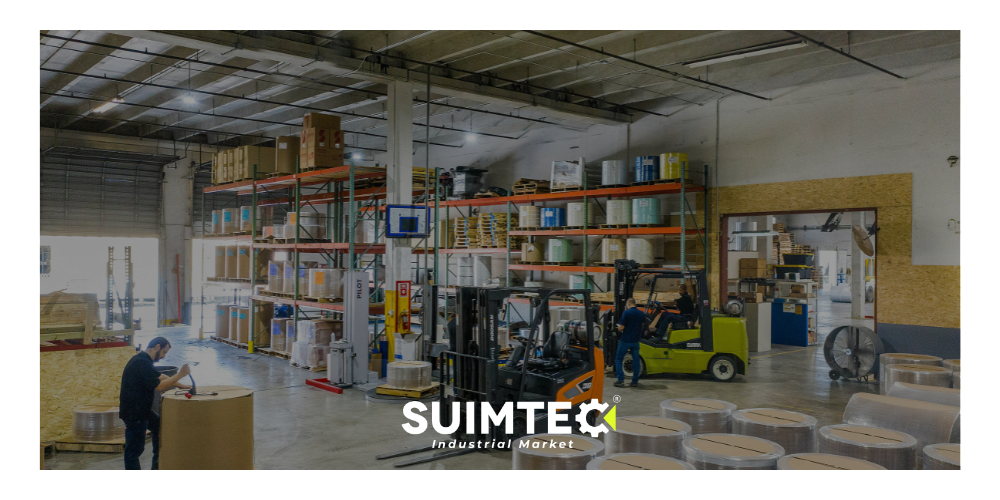
Purchasing industrial materials is a decision that directly impacts a company's operations, maintenance, and costs. However, this process is often carried out without the necessary technical analysis, leading to errors that can result in financial losses and operational problems.
Identify the Common mistakes when buying industrial materials It allows for optimizing decisions and avoiding failures that affect business continuity.
One of the most common mistakes is selecting materials based solely on price. While this may seem like a logical decision in terms of budget, in practice it often leads to higher costs in the long run.
A cheaper material may have lower strength, degrade faster, or be incompatible with the work environment. This translates into frequent replacements, production stoppages, and additional costs.
In the industrial context, price must be evaluated along with performance and durability.
Integrated keywords: errors when buying industrial materials, purchase of industrial materials, selection of industrial materials.
Another critical error is failing to properly analyze where and how the material will be used. Each application has specific conditions of temperature, friction, pressure, and chemical exposure.
Purchasing materials without understanding these variables can lead to incompatibility, premature failures, or poor performance. This problem is common when the purchasing department doesn't work closely with the technical department.
The correct selection depends on the operational context, not just product availability.
In many cases, purchases are made without reviewing technical specifications or demanding detailed information about the material. This creates uncertainty about its properties and limits the ability to evaluate its performance.
Working without clear specifications increases the risk of acquiring materials that do not meet process requirements, affecting quality and safety.
Integrated keywords: technical specifications of materials, industrial technical data sheet, technical selection of materials.
The supplier is a key factor in material quality. Choosing suppliers without technical expertise or industry experience can result in inconsistent or uncertified products.
A specialized supplier not only sells the material, but also advises on its application, avoiding errors and optimizing results.
The relationship with the supplier should be strategic, not just transactional.
Many purchasing decisions focus on the initial cost without analyzing the material's full impact on operations. This includes maintenance, durability, and potential failures.
Ignoring the total cost of ownership It can lead to decisions that seem economical at first, but turn out to be more costly over time.
Integrated keywords: total cost of ownership, TCO of industrial materials, hidden material costs.
Another common mistake is the lack of standardization in materials. Using multiple references for the same application creates disorganization, hinders inventory control, and increases the risk of errors.
Standardization allows for improved efficiency, reduced costs, and consistent operation.
The mistakes when buying industrial materials These problems are often related to a lack of technical analysis and a limited view of cost. Avoiding them involves adopting a more strategic approach, one that considers actual usage conditions, material performance, and the impact on operations.
At Suimtec, we support our clients in the process of selecting industrial materials, helping them make informed decisions that optimize costs and improve performance.

In industry, temperature control is not only important to ensure the proper functioning of equipment, but also...
Read more
In any industrial process where liquids, gases, or steam circulate, an efficient sealing system is essential to maintain...
Read more English
  Español
  Français
  Português do Brasil
  简体中文
简体中文  日本語
日本語