Ceramic Fiber Tape with Aluminum: efficient thermal protection for industrial applications
In industry, temperature control is not only important to ensure the proper functioning of equipment, but also...
Read more
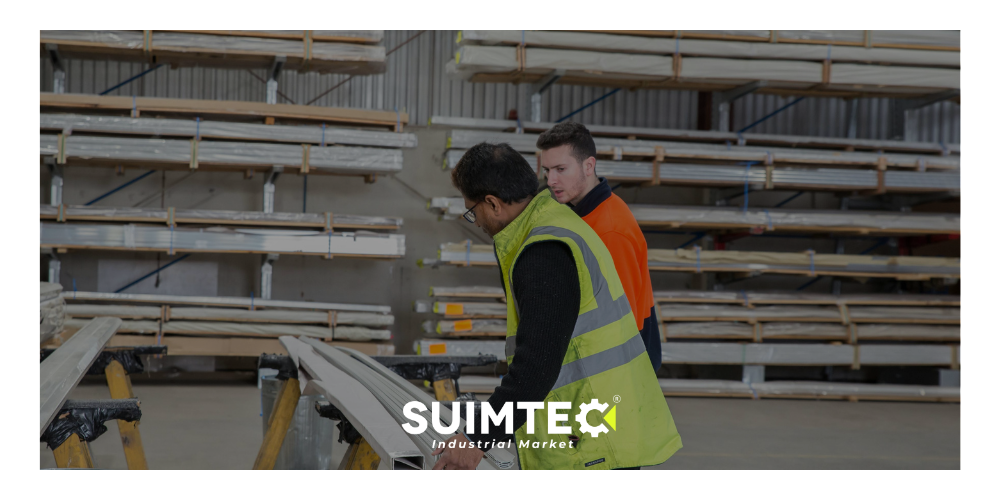
Reducing costs in industry is a constant priority, but doing so without affecting performance, safety, or material durability is the real challenge. Many companies associate cost reduction with buying cheaper options, when in reality, efficient optimization involves making smarter choices.
Know How to reduce costs without sacrificing quality It is a competitive advantage that directly impacts the profitability and sustainability of the operation.
One of the most common mistakes is evaluating materials solely based on price. This approach ignores key factors such as durability, performance, and operational impact.
Reducing costs effectively involves focusing on the value a material provides over time. A material that lasts longer, requires less maintenance, and reduces failures can represent significant savings, even if its initial price is higher.
This change of focus allows us to move from reactive decisions to sustainable strategies.
Integrated keywords: how to reduce costs without sacrificing quality, industrial cost optimization, quality industrial materials.
Cost reduction isn't always about purchasing, but rather about operations. Using the right materials improves process efficiency, reduces downtime, and minimizes maintenance interventions.
When equipment operates reliably, with fewer failures and less wear and tear, indirect costs decrease. This includes lower spare parts consumption, less corrective labor, and greater production continuity.
In this sense, the quality of the material directly influences the overall efficiency of the system.
Choosing the right materials from the outset avoids unnecessary costs in the future. Many companies incur additional expenses due to premature replacements or material incompatibility with the work environment.
Analyzing variables such as temperature, friction, load, and chemical exposure allows for the selection of a material that truly meets the requirements of the process.
This approach reduces the risk of errors and optimizes investment.
Integrated keywords: selection of industrial materials, reduction of operating costs, efficiency in industrial materials.
Another effective strategy is the standardization of materials. Working with specific references and reliable suppliers reduces variability, improves traceability, and facilitates inventory management.
Furthermore, it allows for negotiating better commercial terms and ensuring consistency in the quality of the products used.
Strategic management of the purchasing area plays a key role in reducing costs without affecting performance.
Working with technical and specialized suppliers allows for more informed decision-making. A supplier with industry knowledge can recommend suitable materials, help avoid mistakes, and propose more efficient solutions.
This relationship not only improves the quality of materials, but also contributes to long-term cost optimization.
Reducing costs without sacrificing quality doesn't mean buying cheaper, but buying better. It's about evaluating the material's overall impact on operations, considering its performance, durability, and contribution to efficiency.
At Suimtec we support our clients in optimizing costs through the correct selection of industrial materials, guaranteeing quality, performance and sustainability in every application.

In industry, temperature control is not only important to ensure the proper functioning of equipment, but also...
Read more
In any industrial process where liquids, gases, or steam circulate, an efficient sealing system is essential to maintain...
Read more English
  Español
  Français
  Português do Brasil
  简体中文
简体中文  日本語
日本語